Showing posts with label austria. Show all posts

Monday, November 21, 2011

Invite Austria to your Thanksgiving table

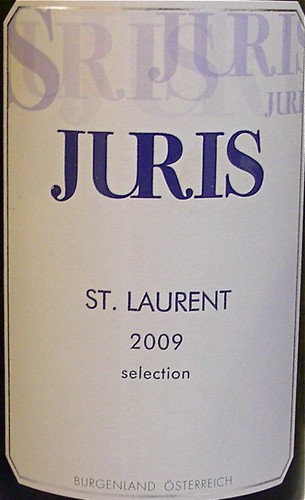
Finding the perfect wine that can go with all the rich flavors found on the Thanksgiving menu, the turkey, the stuffing, the gravy, the cranberries, and the various side dishes, can be challenging. Nonetheless, I think that a wine that is bright and fruity, and not too tannic nor alcoholic, is always a great choice. So when I recently tasted the 2009 Juris St. Laurent Selection, I thought that this year, it was time to invite Austria to our Thanksgiving table.

Owned by the Stiegelmar family, Juris farms 17 hectares of vineyards in the Neusiedlersee wine region, half way between Vienna and Budapest. This is the warmest part of Austria with climatic conditions well suited to red varieties, which explains the winery's special focus on St Laurent and Pinot Noir wines.

The Stiegelmar family has been cultivating grapes in this area since the 16th century. One of the winery's underground cellars was built in 1756, Mozart's birth year. It was dug 52 meters long, 12 meters below the surface, and maintains a stable temperature of 10°C (50°F).

But over the past 10 years, Axel Stiegelmar and his father Georg have developed a modern winery. The transport of grapes, mash, must, and wine is done predominantly through gravity to avoid damage by careless transport. The storage building is Austria's first passive energy wine storage facility. The building, neither heated nor cooled by fossil or electric energy, has various temperature and humidity zones to provide optimal storage conditions for different wines at different stages of their production.

cellars
The underground cellars


St. Laurent is a red grape of mysterious origins. It is said to belong to the Pinot family, although its exact ancestry remains unclear. It is an early ripening grape variety, sensitive to frost, sunburn, and botrytis. The name comes from Saint Laurent's name day on August 10, which is when the veraison of the grape occurs.

If the wine had the bright acidity of a Pinot Noir, it was spicy like a Syrah. It showed a very dark color with aromas of black cherries, moka, and gamey notes. On the palate, it was quite smooth and tasty with maybe a hint of sweet chestnut on the finish.

turkey
Last year's turkey


Cross-posted from bluedanubewine.com/blog

Technorati tags:

Thursday, March 10, 2011

A hearty Sauerkraut with some wines from Eastern Europe

A little while ago, we had a small gathering at my house to taste some Eastern European wines around a sauerkraut dish cooked with carrots, onions, apples, riesling, and juniper berries, and accompanied by braised pork chops, sausages, and potatoes. Most of our wines came from Austria, a major producer of aromatic dry white wines made mostly from the local Grüner Veltliner grape, although red wine production accounts for 30% of all Austrian wines. We also had a red wine from Slovenia, a country that has been producing wine since the time of the prehistoric Celts. Finally, we ended that excellent evening with a Tokay from Hungary, a wine that is believed to be the world's oldest botrytis wine.
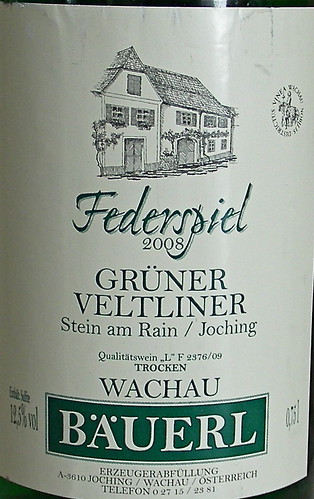
We had our first wine, the 2008 Bäuerl Stein am Rain Grüner Veltliner Federspiel with an appetizer of hungarian peppers. Grüner Veltliner is the most widely planted grape variety in Austria. Grüner means green in German as the grape tends to produce fresh and youthful wines. It grows well along the Danube river on steep, rocky river banks, as steep as those found in the Mosel wine region.

Weingut Bäuerl is located in the Wachau, the part of the Danube valley between the village of Melks and Krems and one of Austria's westernmost wine-growing regions. The estate grows only white varieties: Grüner Veltliner (55%), Riesling (35%) and Muskateller (10%), and practices organic and sustainable viticulture. My notes: medium golden color, nose of green apple, pear, and honey. On the palate, smooth, juicy, and quite mineral. Good finish, nice appetite opener.
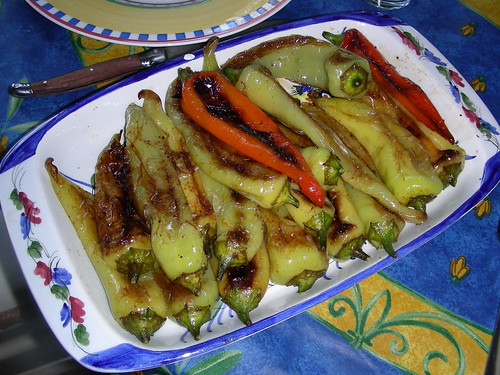

Hungarian Peppers
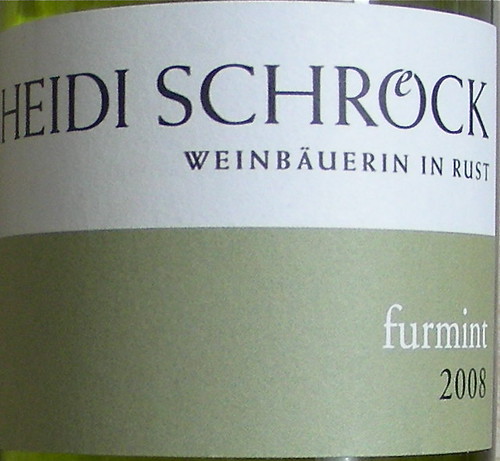

The next two wines were served with the sauerkraut. We started with the 2008 Heidi Schröck Ruster Furmint. Furmint is most widely grown in Hungary and is the main grape variety of Tokay, Hungary's famous dessert wine. It is also found in Austria's Burgenland, near the Hungarian border.

Heidi Schröck is a small 8 hectare estate located in Rust, Burgenland, on the west side of Neusiedlersee. Neusiedlersee or Lake Neusiedl is the second largest steppe lake in Central Europe at the border of Austria and Hungary. The lake stores heat and regulates the region's climate. Thanks to warm and humid autumns, it also provides the best conditions for the production of botrytized dessert wines. My notes: this Furmint is actually completely dry. The wine is crisp, mineral with aromas of ripe apple and spices. Very distinctive and quite popular with the dinner guests.
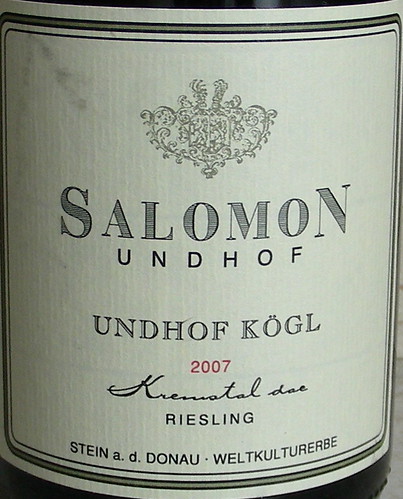
Also with the sauerkraut, we also tasted the 2007 Salomon Undhof Kögl Riesling. Founded in 1792, Salomon Undhof is a Wachau estate that produces white wines from the best terraced sites along the Danube River. The 25 hectares of Salomon Undhof's vineyards are planted with roughly half Riesling, half Grüner Veltliner. All the grapes are harvested traditionally by hand. Undhof Kögl is a south facing terraced single vineyard with highly weathered soil of crystalline schist bedrock. My notes: light color, acacia flowers, stone fruits on the nose. Dry, slightly fizzy on the palate, fresh and crisp with citrus flavors and spices on the finish. I thought it worked really well with the sauerkraut.
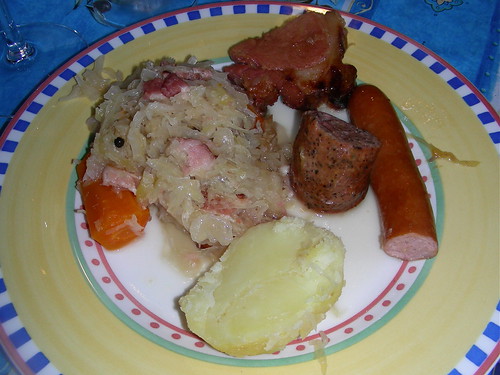

Our Sauerkraut
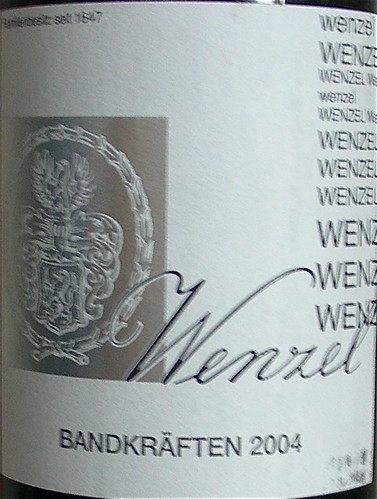

We had the next two reds with cheese and a berry pie. Our first red was the 2004 Wenzel Bandkraften Blaufränkisch. Weingut Wenzel is located in the Neusiedlersee-Hügelland wine-growing region. 60% of the 11 hectare vineyard is planted with the white varieties Furmint, Gelber Muskateller, Sauvignon Blanc, Pinot Gris, and Welschriesling, the remaining 40% is planted with the red varieties Blaufränkisch, Pinot Noir, and Merlot. Blaufränkisch is the second most important red grape variety in Austria after Zweigelt. It produces spicy wines rich in tannins. My notes: medium red color. Mocha and vanilla aromas on the nose. Full-bodiedood with wood and black cherry on the palate. Not as easy to drink as the next wine.
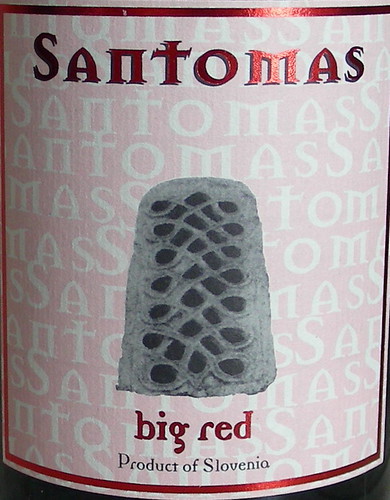
Our second red was the 2007 Santomas Big Red Refosk. Located in the village of Smarje in Slovenian Istria, just southeast of Trieste, Santomas is a family-owned winery overlooking the Adriatic Sea. The area is the warmest wine region in Slovenia so the local wine production is mostly red. The winery currently farms 19 hectares of vineyards planted with traditional varieties like Refosco and Istrian Malvasia, as well as international grapes like Cabernet Sauvignon and Merlot. Refosco is a Northern Italian red grape variety that mostly grows in Friuli, Gavi, and Trentino. In Slovenian Istria, it is also known as Refosk. The grape produce deep colored wines that can be quite powerful and tannic. My notes: dark purple color. Smoky nose with black cherry and blackberry aromas. Fruity with bright acidity on the palate. Quite popular with the cheese.
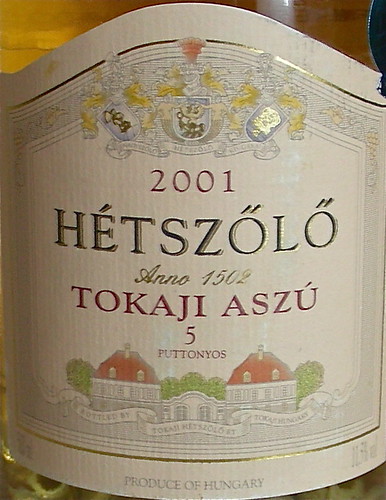
Our last wine was the 2001 Hétszölö Tokaji Aszu 5 Puttonyos. The Tokaji wine region, in northeastern Hungary, is characterized by long, warm autumns and misty mornings that favor the development of noble rot. The botrytis-infected grapes called Aszú are harvested manually, one grape at a time. They are then crushed and added to a dry base wine. The proportion of Aszú grapes added to the base wine is measured in puttonyos or baskets. One puttony represents 30 kilos of grapes that are poured into a traditional 126 liter barrel of base wine. The number of puttonyos can vary from 3 to 6 (the highest being the sweetest). The wine is then aged for three years in oak barrels stored in underground cellars. My notes: the Aszú 5 Puttonyos is 90 to 100% Furmint and has a minimum of 120 g/l of residual sugar. Deep golden color. Fresh, fragrant nose of apricot and tropical fruit. On the palate, unctuous texture with lively acidity, zesty kumquat notes on the finish.

Technorati tags:

Tuesday, September 08, 2009

Pairing wine and cheese

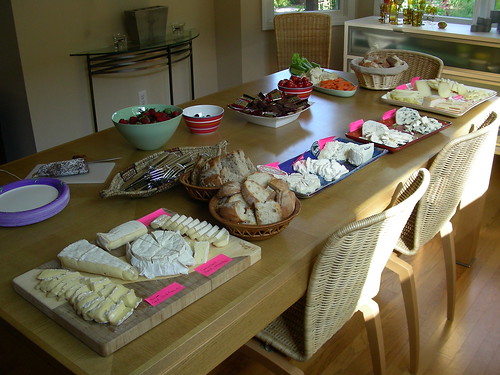
Pairing wine with cheese was the theme of our last wine club event before the summer. Choosing the type of wine that works well with cheese is always a challenge although some pairings are natural: Sancerre with Goat Cheese or Port with Stilton. On the other hand, try a young Cabernet with Camembert, that's pretty tough! Try it with aged hard cheese instead.

That evening, we tasted cheese from four different kinds (goat cheese, soft cheese, hard cheese, and blue cheese) with three whites, three reds, and one dessert wine, and found some really good matches.


Our cheese selection


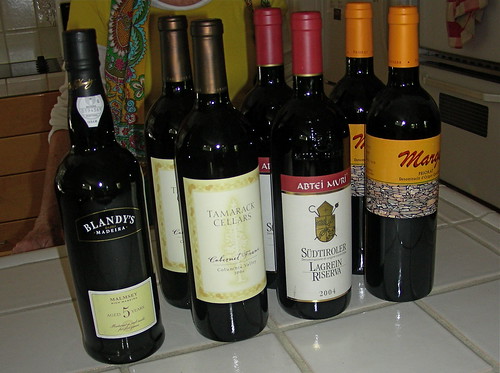
Our wine selection


Here are the wines that we tasted:

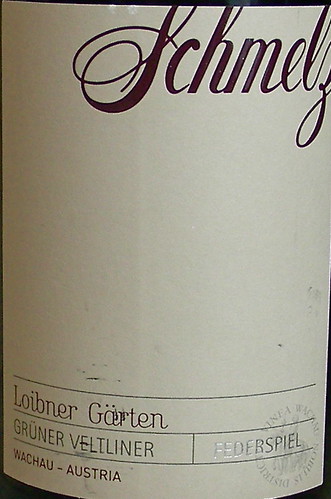
• 2007 Schmelz Grüner Veltliner Loibner-Gärten Federspiel: Grüner Veltliner is a white grape variety grown primarily in Austria (it accounts for 36% of all Austrian vineyards) and in the Czech Republic. Weingut Schmelz is located in the Wachau appellation, which is Austria's most famous wine region. It's a narrow valley that runs along the Danube river where vines grow on steep terraces carved into the slopes. The Schmelz family has been making wine for five generations. Manually harvested, the grapes are fermented in stainless steel tanks. My notes: pale yellow color, citrus on the nose, dry and mineral on the palate, long finish. A perfect accompaniment to our Redwood Hill Goat Cheese.

• 2007 Neudorf Sauvignon Blanc Nelson: Nelson is located on the northern end of New Zealand's south island. Cool growing conditions are well suited to Chardonnay, Sauvignon Blanc, Riesling and Pinot Noir. Neudorf Vineyards is a small family owned winery producing Chardonnay, Sauvignon Blanc, Riesling, Pinot Gris, and Pinot Noir. My notes: light color, aromatic nose, notes of grapefruit and tropical fruit, fresh finish. A good match with the goat cheese.

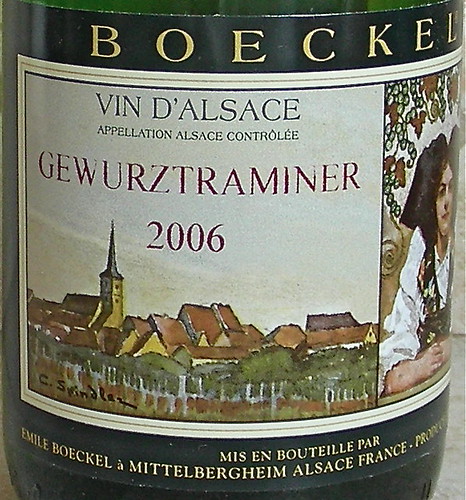
• 2006 Emile Boeckel Gewürztraminer: Gewürztraminer is the second most planted grape variety in Alsace where it comes in different styles from the very dry to the very sweet. Domaine Emile Boeckel has been making wine in the village of Mittelbergheim in Alsace since 1853. My notes: golden color, expressive nose of rose petals and caramel, off-dry on the palate. Try to find a strong tasting cheese like Münster to go with it.

• 2004 Muri-Gries Abtei Muri Lagrein Riserva: Lagrein is a red grape variety native to the Alto Adige (or Süd Tyrol) region in Northern Italy. It is related to Syrah and Pinot Noir. Cantina Convento Muri-Gries is an ancient Benedictine monastery in Alto Adige. It was built in the late eleventh century originally as a fortress. My notes: deep red color, aromas of black cherry on the nose, earthy on the palate with notes of coffee on the finish. Lagrein is also the name of a cheese made from cow's milk from the same region. If you're lucky to find it, try it with the wine.

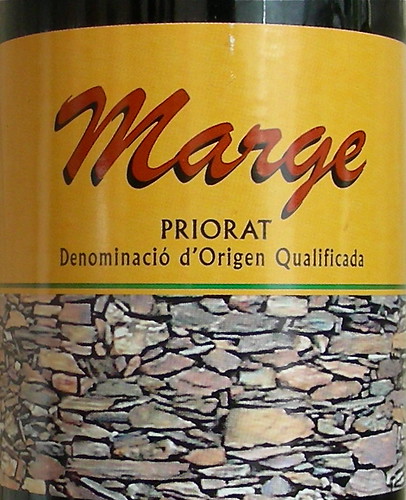
• 2006 Celler de l'Encastell Marge Priorat: Priorat lies in a remote mountainous area, 80 miles southwest of Barcelona, in Catalonia. Vineyards are planted on steep terraces at altitudes of between 100m and 700m above sea level. Summers are hot and dry, while winters are cold. The soil, made of reddish and black slate with small particles of mica (called llicorella in Catalan), reflects and conserves the heat. The main grape variety is Garnacha or Grenache, followed by Cariñena (Carignan), Cabernet Sauvignon, Merlot, and Syrah. Founded in 1999, Celler de l'Encastell is a small family-run winery that makes two wines. Roquers de Porrera is a blend of 40% Cariñena, 40% Garnacha, 20% Merlot and Syrah, aged in French oak for 16 months. Marge is a blend of 60% Garnacha, and 40% Cabernet Sauvignon, Merlot and Syrah, aged in French and American oak for eight months. My notes: dark color, spicy nose, opulent on the palate, try it with aged Manchego.

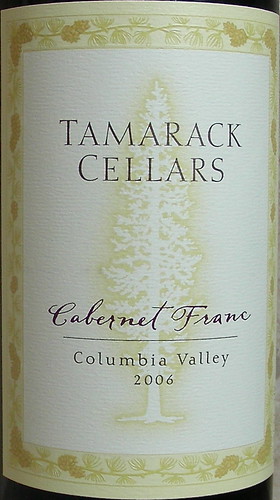
• 2006 Tamarack Cellars Cabernet Franc Columbia Valley: believed to be one of the genetic parents of Cabernet Sauvignon, Cabernet Franc is grown primarily to be blended with Cabernet Sauvignon and Merlot and is rarely vinified alone, except in the Loire Valley. With long summers and cool autumns, Washington State offers good growing conditions for Cabernet Franc and the varietal is today the fourth most widely planted grape in the state behind Cabernet Sauvignon, Merlot & Syrah. Founded in 1998, Tamarack Cellars hand-crafts small-lot wines from the Walla Walla, Yakima and Columbia Valleys. My notes: dark garnet color, black fruit aromas on the nose with notes of oak and tobacco, rich mouthfeel leaving hints of cocoa on the finish. A big favorite of the evening, it worked well with the parmesan, and the chocolate!

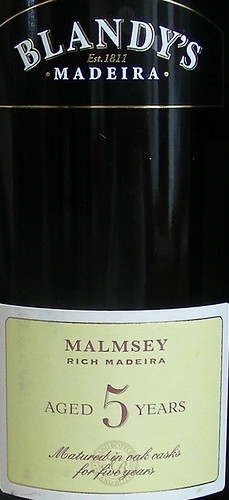
• Blandy's Malmsey 5 Year Old Madeira: Madeira is an Atlantic island belonging to Portugal and also a fortified wine that is probably the most resilient wine in the world. Winemaking in Madeira dates back to the Exploration Age. Madeira was the port of call for ships heading to Africa, Asia, and South America. At the time, in order to prevent wine deterioration, neutral alcohol was added to the wine. It was soon found out that wine exposed to heat and rolling movements on the ship somehow tasted better. Today, Madeira is known for its unique winemaking process meant to duplicate the effect of a long sea voyage. This involves heating the wine up to temperatures as high as 60°C and exposing the wine to some levels of oxidation. Malmey, made from the Malvasia grape, is the sweetest style of Madeira that gains in richness and concentration with time in cask. My notes: dark amber color, nutty aromas with notes of dried fruits, sweet, but not cloying, with fresh acidity. An interesting match with the blue cheese and an excellent way to end the evening.


For our next meeting, we'll be tasting wines from the Santa Cruz Mountains wineries. Stay tuned!

Previous wine club tastings:
•  Tasting the wines of the Rhône Valley
•  Pinot Noir Tasting
•  Second "Guess The Wine" tasting party
Technorati tags:

Monday, August 17, 2009

Port4olio Tasting in San Francisco part 1: wines from Eastern Europe and Italy

Earlier this summer, I was invited by Frank Dietrich of Blue Danube Wine at the Port4olio Tasting in San Francisco. The tasting took place at the firehouse in Fort Mason where four California based importers and distributors were pouring wines from Eastern Europe, France, Italy, Spain, Portugal, and South America.

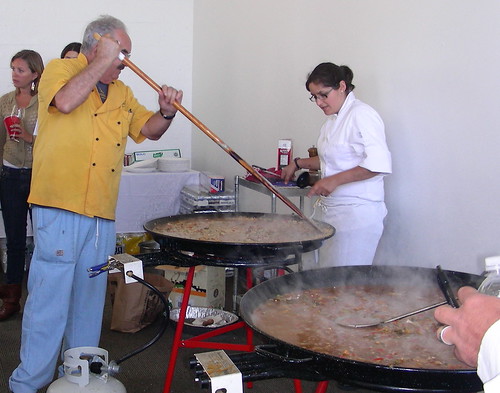
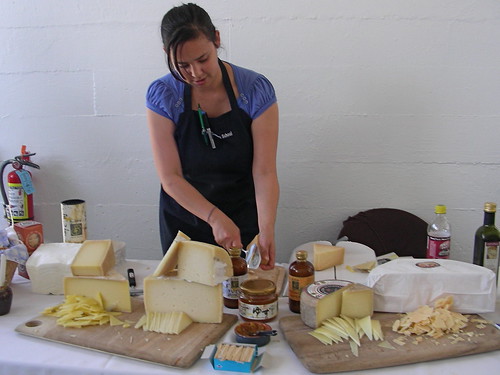
Besides wine, there was an abundance of food including two humongous paellas, a whole roasted pig (that I missed unfortunately), and a selection of cheeses from Cheese Works West.


The paellas at the Port4olio Tasting


Cheeses from Cheese Works West


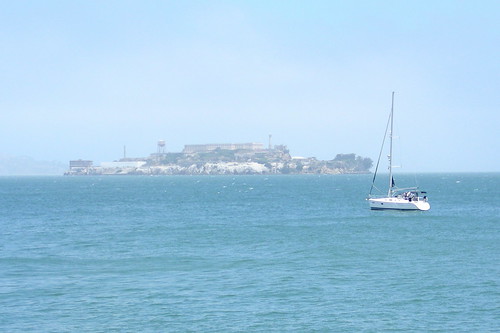
Outside the firehouse, you can sip your wine in front of Alcatraz


My notes for the wines I tasted:

From Austria (Blue Danube Wine):

• 2006 Juris Zweigelt Selection: Zweigelt, a cross of Blaufränkisch and Saint Laurent, is the most widely-grown red grape variety in Austria. Dark red color, fruity nose, spicy on the palate, reminded me of a Syrah.

• 2007 Juris Saint Laurent Selection: Saint Laurent is a grape variety related to Pinot Noir. Light red color, light-bodied, a subtle wine.

• 2007 Juris Pinot Noir Selection: floral nose, medium-bodied, spices on the finish.

From Hungary (Blue Danube Wine):

• 2008 Szoeke Matra Irsai Olivér: comes from Hungary's largest historic wine region, which is located at the foot of the Mátra Mountains in the northeast part of the country. Floral nose, strong muscat character, dry.

From Bosnia-Herzegovina (Blue Danube Wine):

• 2007 Citluk Herceg: a unique blend of three native grapes from Herzegovina: Zilavka, Bena and Krkosija. Light, fruity, refreshing.

• 2006 Citluk Kameno: a blend of Zilavka and Bena. Single vineyard, more serious, less fruits and more minerality.

From Croatia (Blue Danube Wine):

• 2006 Bibich Riserva: a blend of three native grapes from Northern Dalmatia, related to Zinfandel: Babich, Lasin, and Plavina. Red berry nose, light to medium bodied, flavorful, tasty.

• 2006 Bibich Mantra Grenache: Grenache from Northern Dalmatia. Sweet nose of ripe fruit, pruny on the palate.

From Italy (Siena Imports):

• 2008 Livon Friulano Collio: Friulano is a native variety from Friuli, previously known as Tocai Friulano. Light color, nose of stone fruits, good acidity.

• 2007 RoncAlto Ribolla Gialla Collio: Ribolla Gialla is a white varietal mostly found in Italy's Friuli-Venezia Giulia region and Slovenia. Fragrant nose, rich aromas of stone fruits and minerals.

• 2000 Costa di Bussia Barolo Tenuta Arnulfo: from Italy's Piedmont region, Barolo is made from 100% Nebbiolo. Red-brown color, sweet fruit on the nose, soft on the palate, mature wine.

• 2001 Di Meo Taurasi Riserva: Taurasi is an appellation from Campania that produces wines made primarily from the Aglianico grape. Deep color, notes of moka, rich and dense on the palate, good acidity.

• 2001 Cesari Amarone della Valpolicella Bosan: a blend of Corvina, Rondinella, and Molinara , this is a single vineyard wine. The grapes are left to dry in special drying chambers for four months before fermentation. After that, aging lasts three years in oak barrels. Dark color, prunes and dried fruits on the nose, velvety palate, very distinctive.

Technorati tags:

Wednesday, May 07, 2008

WBW #45: Old World Riesling, awesome!

This is once again Wine Blogging Wednesday time! This month, our host is Tim Elliot of the Wine Cast blog and the theme he has chosen for us is Old World Riesling.

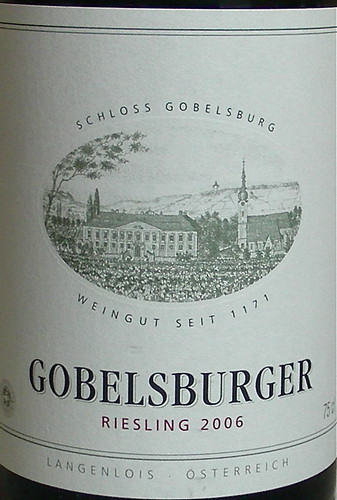
My favorite Rieslings are usually dry and either from Alsace or Austria. So for this 45th edition, I selected a wine from Schloss Gobelsburg, a historic estate in Austria's Kamptal region. Founded in 1171, it is the oldest winery in the region. A Cistercian Abbey purchased the estate in 1740 and monks had been making the wines there until 1992. Since then, the winery has been successfully managed by Austrian winemaker Michael Moosbrugger. The estate has approximatively 35 hectares of vineyards, half dedicated to Grüner Veltliner, a quarter to Riesling and the rest to red varieties.

The 2006 Schloss Gobelsburg Gobelsburger Riesling is the estate's entry level Riesling. The wine has a pale straw color with green reflections. The nose is floral with sweet cooked apple and brown sugar notes. On the palate, it is dry, light-bodied, mouth-watering, with rose petal and citrus aromas. It works really well with sushi. But I have one more bottle so next time I think I'll try it with grilled weisswurst and apple compote.